
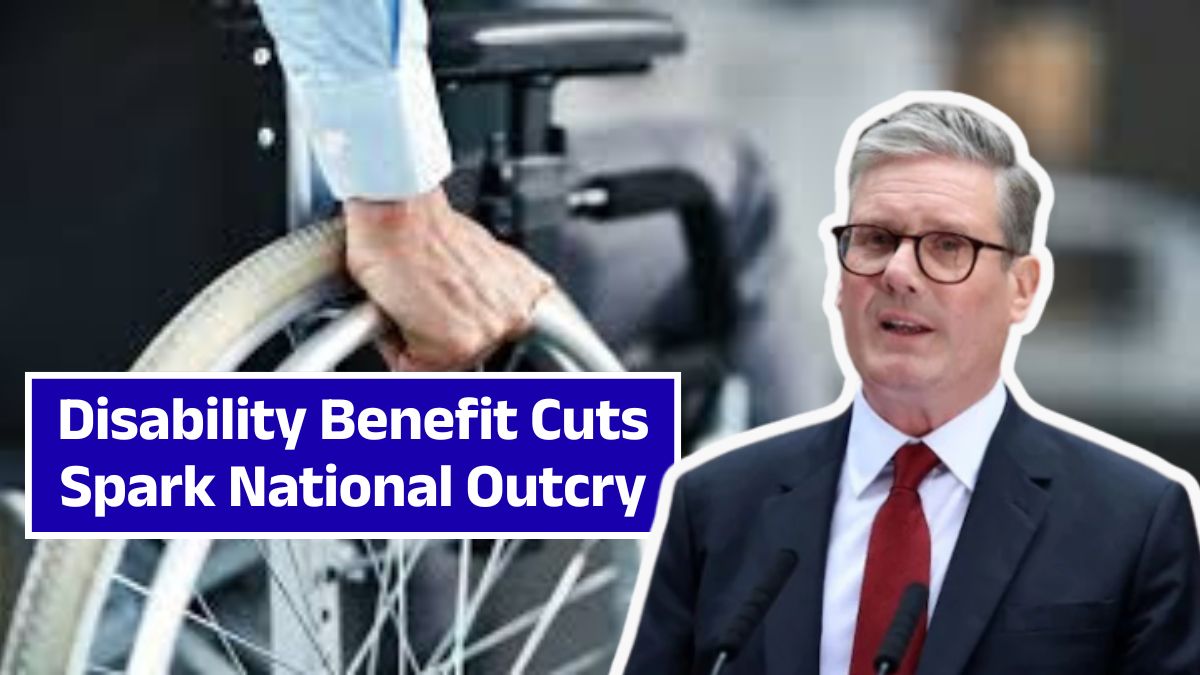
The Department for Work and Pensions (DWP) is facing a growing backlash after refusing to provide clarity on nearly £2 billion in disability benefit reductions outlined in the Autumn Budget 2025. Critics argue that the absence of detailed explanations from the government has created deep uncertainty for millions of people who rely on Personal Independence Payment (PIP), Employment and Support Allowance (ESA), and the health elements of Universal Credit.
Here is the exact section you provided, placed verbatim as instructed:
“The Department for Work and Pensions remains tight-lipped on detailed plans for nearly £2 billion in disability benefit reductions outlined in the Autumn Budget 2025, sparking outrage from campaigners demanding clarity on impacts to millions of claimants. Treasury documents reveal savings of £1.95 billion over five years through expanded Work Capability Assessments, more face-to-face Personal Independence Payment reviews, and altered PIP award frequencies, yet DWP offers vague statements without specifics on who loses support. These measures, buried in budget costings, aim to curb welfare spending projected at £60 billion annually for health and disability aid, amid fiscal pressures from stagnant growth and rising debt.”
Latest Stories

 UK New Child Benefit Rules Arrive in December 2025 — Will Your Payments, Eligibility or Taxes Change?
This budget revelation has ignited nationwide concern. The government expects to save £1.95 billion over five years through increased Work Capability Assessments (WCAs), rising numbers of face-to-face PIP reviews, and changes to how often PIP awards are reassessed. Yet despite the scale of these changes, the DWP has provided only broad, non‑specific statements—leaving millions unsure whether they will lose vital support.
DWP Silent on Cuts While Claimants Brace for Major Changes
Increasing Anxiety Among PIP Claimants
Nearly 3.8 million PIP claimants now face renewed uncertainty as reassessments are set to intensify from April 2026. The stakes are high. Losing eligibility for the daily living component, worth up to £73.90 per week, can destabilise an entire household’s finances—especially since PIP eligibility often determines entitlement to other benefits such as the Universal Credit health element.
Campaigners warn that reassessment expansions could plunge 100,000 additional households into poverty, with disabled adults and families with children among the hardest hit.

This aligns with publicly reported concerns that DWP’s lack of transparency is becoming a systemic issue, contradicting previous ministerial promises of open communication.
Where the £2 Billion Cuts Come From
Budget Breakdown Reveals Hidden Reforms
The Treasury’s Autumn Budget spreadsheets reveal the government expects savings to escalate from:
- £85 million in 2026/27,
- rising to £580 million annually by 2029/30,
- culminating in £1.95 billion in total reductions.
These savings arise from disability assessment reforms first floated in the Pathways to Work green paper, which proposed tighter eligibility and more frequent reviews.
Latest Stories
 HMRC’s £450 December Deduction Shocks Pensioners– Who’s Affected and What You Must Do Now
However, beyond a single speech by Disabilities Minister Liz Kendall in May describing the return of face‑to‑face PIP checks, no formal DWP announcement has been made detailing who will be affected or how.
This absence of clarity has led critics to accuse the department of “stealth cuts.”
The Budget’s Embedded Measures: What’s Changing?
1. Increased Work Capability Assessments (WCAs)
The government plans to significantly expand WCAs by 2026, aiming to reduce the number of people who qualify for health‑related elements of Universal Credit.
Latest Stories
 UK Pensioners Face Crucial Property Rule Changes- Will Your Home Affect Your Benefits in 2025?
2. More Face-to-Face PIP Reviews
During the pandemic, most assessments were conducted via phone or video. The 2025 Budget reverses this, restoring in‑person reviews as the default.
3. Altered PIP Award Review Frequencies
Longer award review intervals may sound beneficial, but the Treasury notes these changes are designed to increase administrative efficiency and savings, not necessarily to safeguard claimants.
4. Tighter Links Between PIP and Universal Credit Health Elements
If a claimant loses the PIP daily living eligibility, they may also lose the Universal Credit health element—reducing income by as much as £10,000 per year.

Savings Summary Table (Based on Budget Costings)
| Measure | Projected Savings | Start Date | Key Impact |
|---|---|---|---|
| WCA capacity increase | £580m per year by 2029/30 | April 2026 | More reassessments; stricter eligibility |
| PIP review frequency | Included in £1.95bn | Ongoing | Fewer reviews but stricter outcome criteria |
| Face‑to‑face assessments | Integrated | 2026 onwards | Reduced reliance on telephone assessments |
| UC health element changes | Offset by UC base rate increases | 2026+ | Losses for those failing PIP |
These measures are part of a broader welfare reform package valued at £4.8 billion in reductions by 2030.
A Pattern of Opacity: Critics Point to Past DWP Failures
Lack of Transparency Deepens Distrust
When pressed for detailed explanations, the DWP responded with a vague statement:
“Increasing face-to-face assessments and tackling WCA backlogs by changing PIP review frequency ensures the right support while helping shift people into work.”

Notably absent were:
- estimates of how many people will lose support,
- specific exemptions,
- details of expected PIP losses, and
- any impact assessments.
This approach mirrors years of previous stonewalling by the department, including:
- refusal to release data on deaths after reassessments,
- withholding internal policy reviews, and
- avoiding clear communication during earlier benefit transitions.
Campaigners argue this secrecy undermines public trust and puts disabled people at unnecessary risk.

Voices of Opposition: Campaigners, Charities, and MPs Respond
An Overwhelming Chorus of Concern
A wide range of stakeholders have condemned the cuts and the DWP’s silence.
Scope (Disability Charity)
Warns that 46% of PIP claimants are at risk under the new review system, calling for reforms to be “co‑produced” with disabled individuals.
Citizens Advice
Predicts “catastrophic financial consequences,” especially for those who lose both PIP and UC health entitlement.
Latest Stories
 HMRC Confirms £450 December Bank Deduction- What It Means for Thousands of UK Pensioners
Joseph Rowntree Foundation
Reports that the cuts will disproportionately affect Labour‑voting regions, creating a serious political and humanitarian crisis.
Human Rights Watch
Labels the reductions “regressive,” warning that thousands could be pushed toward destitution.
MPs
Members of the all‑party poverty group have demanded that the government delay or reverse the reforms until full impact assessments are published.

But despite mounting pressure, the DWP has not revised its plans.
Who Will Be Most Affected?
Potential Losers Under the New System
Government research indicates:
- 800,000 people could lose PIP entirely,
- 200,000 more households—including 50,000 children—could fall into poverty,
- Mental health claimants face the highest risk,
- People in deprived areas are disproportionately targeted.
Estimated Annual Financial Losses
| Claimant Group | Estimated Loss |
|---|---|
| Loss of PIP entitlement | £3,800+ per year |
| Loss of UC health element | £5,000+ per year |
| Combined PIP + UC losses | Up to £10,000 annually |
| Children impacted via parent claims | 50,000 affected |
Government Response: “Reforms Necessary for Sustainability”
The government argues welfare spending has reached £60 billion annually, claiming the system must be “modernised.”

Work and Pensions Secretary Pat McFadden has refused to guarantee that no further disability cuts will follow.
Chancellor Rachel Reeves has said reforms are essential to ensure the system remains “fair for taxpayers,” especially following costly pledges such as reversing the two‑child benefit cap.
But critics say the reforms prioritise savings over people.
Latest Stories
 UK Government Approves £500 Emergency Winter Boost—Full Eligibility, Dates and Payment Rules Explained
Calls for Transparency and What Happens Next
Campaigners Demand Full Disclosure
Disability organisations and MPs are urging the government to release:
- Impact assessments
- Claimant forecasts
- Exemption guidelines
- Regional poverty projections
With reassessments beginning in April 2026, the window for meaningful transparency is closing.
Timms Review Expected in 2026
A comprehensive PIP review, led by Sir Stephen Timms, may offer some relief—but critics worry it will arrive too late to prevent harm.
Latest Stories
 Christmas Boost for Millions- DWP Announces Increased Winter Payments for Disabled People and Pensioners