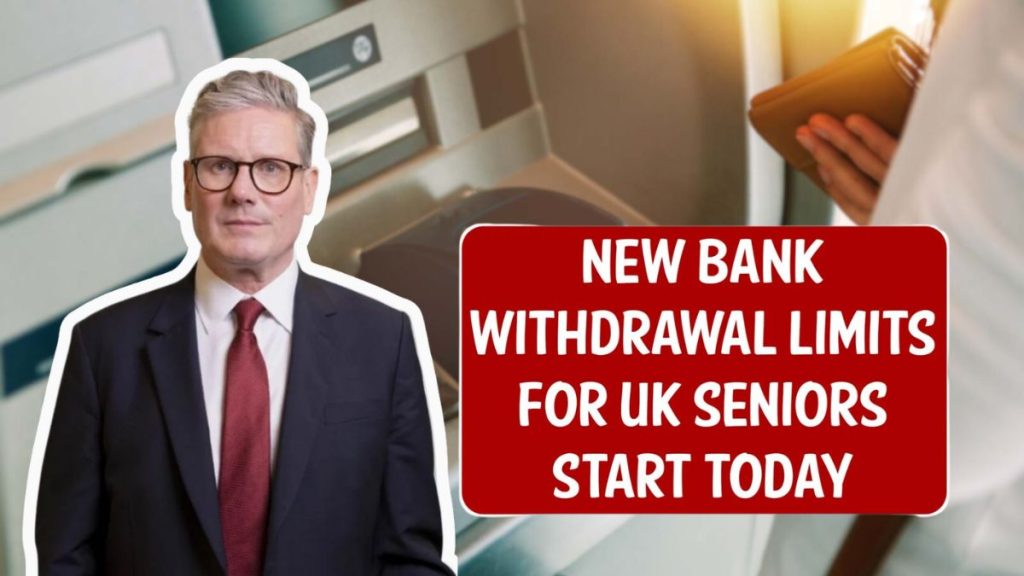

Thousands of pensioners across the UK are being urged to check their bank statements and recent HMRC correspondence, as the government has confirmed that a maximum deduction of up to £450 will begin from 8 December. The announcement has sparked widespread concern, particularly among older citizens living on fixed incomes who rely on stable pension payments to manage rising living costs.
HMRC has clarified that the deduction is linked to historic tax debts, including unpaid tax, incorrect tax codes, and underpaid National Insurance. While the process is legal under existing recovery powers, many affected pensioners say they were unaware the deduction was coming until official notices began arriving.
This detailed report explains who is affected, why the deduction is being applied, how the process works, and what pensioners can do if they believe the deduction is incorrect or unaffordable.


What the £450 Deduction Actually Means
A Maximum Recovery Limit — Not a Universal Charge
The £450 is not a new tax, nor does it apply to every pensioner. Rather, it represents the maximum amount HMRC is authorised to recover in one cycle for individuals who owe unpaid tax from previous financial years.
Common scenarios that trigger these deductions include:
- Pension tax underpayments
- Incorrect tax codes applied during previous years
- Late reporting of private pension income
- Part‑time employment after retirement
- State Pension tax reassessment errors
Many pensioners unknowingly underpaid tax due to misapplied tax codes or the way State Pension income is taxed (it is paid before tax, meaning adjustments often occur later). Once HMRC completes its annual tax review, any discrepancies become recoverable debts.

Starting 8 December, HMRC is allowed to collect these debts directly from nominated bank accounts, but only after issuing formal written notices.
Who Is Most Likely to Be Affected?
Specific Groups Are at Higher Risk
While the announcement has caused alarm, HMRC has confirmed that only pensioners with certain tax discrepancies will face deductions.
Those most likely to be affected include:

- Pensioners receiving both State Pension and private pensions
- Individuals who continued part‑time employment after retirement
- Pensioners whose tax code was altered incorrectly
- Those who recently changed pension providers
- Pensioners who received lump‑sum pension withdrawals
- Individuals with historic PAYE reporting issues
Who Is Unlikely to Be Affected?
If you only receive the full State Pension and no other taxable income, you are less likely to face deductions. However, HMRC still urges all pensioners to check their Personal Tax Account on GOV.UK.
Why 8 December Is the Key Recovery Date
End-of-Year Tax Reconciliation
The authority to deduct funds begins on 8 December because this period aligns with HMRC’s annual tax reconciliation cycle.
During this stage:

- Tax reviews for the previous year are finalised
- PAYE and pension provider data is fully reconciled
- Outstanding balances are confirmed
- Direct Recovery of Debts (DRD) permissions refresh
Once the recovery window opens, deductions are processed within 5–10 working days, depending on bank processing times.
How HMRC Will Take the Money
A Strict Legal Procedure Must Be Followed
HMRC cannot deduct money without warnings or due process. Before the deduction occurs, pensioners must receive:
- A formal notification letter
- A detailed breakdown of the tax owed
- A minimum 30‑day response window
- A final confirmation notice
Only if a pensioner does not respond, does not dispute, or does not arrange payment will HMRC proceed with automatic deduction.

For vulnerable individuals, deductions may be split into smaller instalments instead of one large withdrawal.
Can HMRC Legally Deduct Money From Bank Accounts?
Yes — But Only Under Strict Safeguards
Under the Direct Recovery of Debts (DRD) legislation, HMRC has the authority to recover unpaid tax directly from bank accounts, but strict protections apply.
Key protections include:
Latest Stories
 UK Government Approves £500 Emergency Winter Boost—Full Eligibility, Dates and Payment Rules Explained
- A minimum £5,000 balance must remain after deduction
- Only confirmed tax debts qualify
- Formal notification is mandatory
- Pensioners can request Time to Pay plans
- Vulnerable pensioners must be assessed separately
If a deduction would leave less than £5,000 in your account, HMRC cannot proceed.
How to Check If You Are Affected
Several Official Methods Available
Pensioners can confirm their status by:
- Logging into their Personal Tax Account on GOV.UK
- Reviewing recent HMRC letters or emails
- Contacting the HMRC Pension Helpline
- Checking their pension statements for tax code changes
A sudden or unfamiliar tax code is often the first sign that a deduction may be coming
Latest Stories
 Christmas Boost for Millions- DWP Announces Increased Winter Payments for Disabled People and Pensioners
What to Do if You Receive an HMRC Deduction Notice
Immediate Action Is Essential
Do not ignore the notice — acting quickly gives more options. Pensioners should:
- Verify the debt against their own income records
- Check pension payments and tax codes for errors
- Confirm that all income listed is accurate
- Contact HMRC immediately if something looks wrong
- Request a payment plan if unable to afford the full deduction
Failure to respond may result in automatic withdrawal
Can the £450 Deduction Be Reduced or Stopped?
Yes — There Are Several Grounds for Appeal
Pensioners can challenge the deduction if:
Latest Stories
 Free TV Licence for UK Pensioners- Government Confirms Big Relief Plan, Who Qualifies & When It Starts
- The debt is incorrectly calculated
- Income has been duplicated
- Pension provider reports contain errors
- They face serious financial hardship
- They qualify as a vulnerable customer
HMRC is required to offer Time to Pay arrangements, allowing repayments over multiple months.
Impact on Pensioners’ Monthly Income
A Risky Time for Deduction
A £450 deduction in December can have serious implications, especially during a period of high seasonal expenses.
The deduction could affect:
Latest Stories
 DWP £140 Pension Cut Warning – Thousands of UK Retirees Face Reduced Payments from December 2025
- Heating and energy payments
- Council tax instalments
- Food and prescription costs
- Winter clothing and essentials
- Rent and service charges
Charities have warned that unexpected December deductions may push many pensioners into financial hardship.
Does the Deduction Affect State Pension or DWP Benefits?
No — But It May Alter Eligibility for Some Benefits
The £450 deduction does not reduce State Pension payments. However, it may affect entitlement to:
- Pension Credit
- Housing Benefit
- Council Tax Reduction
If your savings fall below eligibility thresholds, you should notify the DWP or local authority.

What HMRC Has Officially Said
Reassurances — and Concerns
HMRC has confirmed:
- Only confirmed and notified tax debts will be recovered
- No pensioner will be left below the protected account balance
- Written notices will be issued to all affected individuals
- Appeals remain open for anyone disputing the charges
Officials say the December recovery push aims to clear long‑standing small tax debts before the next financial year.
Why Pensioners Often Owe Unnoticed Tax
Common causes include:

- Incorrect PAYE application
- Emergency tax codes
- State Pension paid without tax deductions
- Changes in income not reported
- Provider data reporting delays
Because State Pension does not have tax deducted at source, debts often accumulate silently.
How to Spot a Scam vs. Genuine HMRC Notice
Key Signs a Letter Is Real
A real HMRC notice will:
- Show your full name and partial NI number
- Include official HMRC branding and reference numbers
- Provide payment links only to GOV.UK
- Never ask for passwords or card details
- Never threaten immediate legal action
If unsure, contact HMRC using the phone number on GOV.UK, not the one in the letter.
Latest Stories
 Work Capability Assessment Under Fire Again—Labour’s £1.3bn Reform Plan Faces Critical Test
What Happens If a Pensioner Passes Away Before Deduction
The Debt Moves to the Estate
If a pensioner dies before the deduction occurs:
- The debt becomes part of the estate
- It may be settled during probate
- HMRC cannot deduct from a closed account
Why This Announcement Has Sparked National Concern
Timing, Confusion, and Autumn/Winter Pressures
The December timing has raised fears because:
- Pensioners are already facing high winter bills
- Many older people do not check tax codes regularly
- Digital-only notices may be missed
- Short response deadlines cause stress
Advocacy groups are calling for better communication and longer notice periods
Latest Stories
 DWP WASPI Compensation £2,950 Payment 2025 – Check Eligibility Signals and Payment Details
What Pensioners Should Do Right Now
Essential Steps to Protect Income
Pensioners should:
- Review their latest HMRC letters
- Log into their Personal Tax Account
- Check all bank transactions
- Contact HMRC immediately if concerned
- Seek financial advice if unsure
Taking these steps early helps avoid unexpected deductions.
Latest Stories
 UK Minimum Wage Rises Again: New £12.50 Living Wage Confirmed from December 2025 – Full Breakdown Inside