
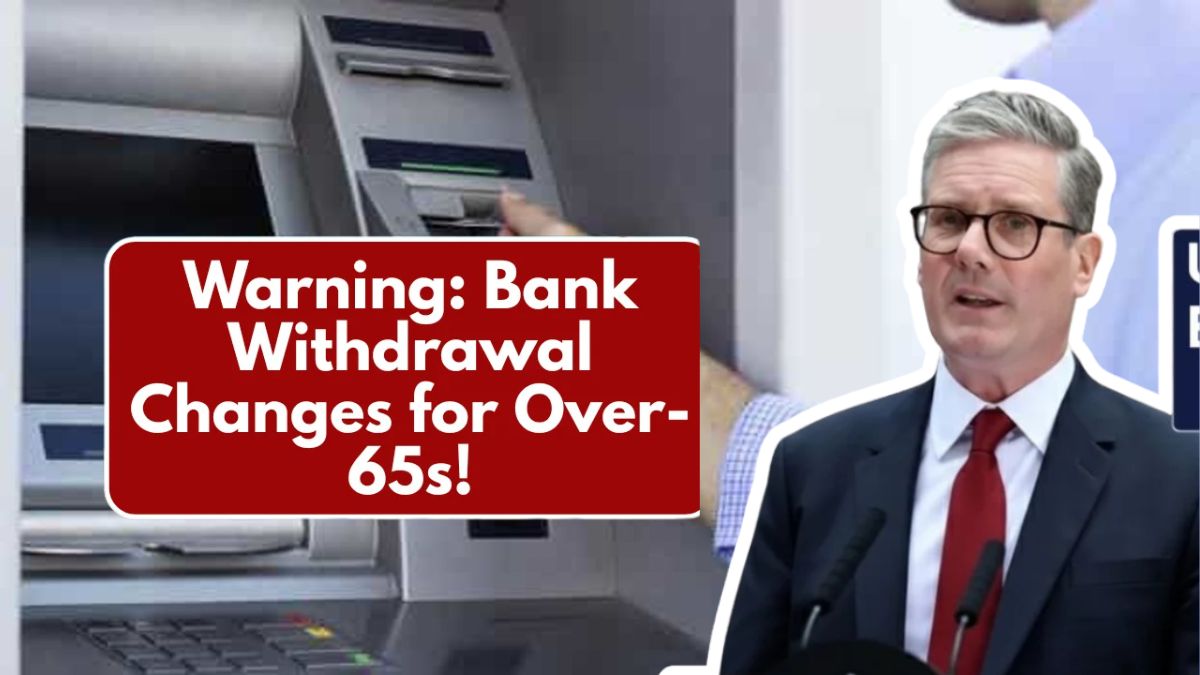
This move — aimed at improving fraud prevention and customer safety — has triggered concern among older customers, particularly pensioners who rely heavily on cash access for managing their finances. Banks claim the decision is rooted in security, but many older Britons fear it may limit their financial freedom.
Multiple Banks Confirm Stricter Withdrawal Caps and ID Checks

Several major banks — including Barclays, HSBC, Lloyds, and NatWest — have issued updated guidelines. While the specifics differ slightly between institutions, all have introduced a common framework that focuses on:
- Lower maximum over-the-counter withdrawal limits
- Reduced ATM daily limits for senior customers
- Additional identity verification steps
- Enhanced questioning for high-value cash withdrawals
These changes mark a national push to prevent fraud, particularly authorised push-payment scams and impersonation frauds, which disproportionately affect older citizens.
Latest Stories
 UK New Child Benefit Rules Arrive in December 2025 — Will Your Payments, Eligibility or Taxes Change?
Why Banks Are Making These Changes
The UK’s Financial Conduct Authority (FCA) has reported a sharp rise in scams targeting elderly customers. In many cases, fraudsters either pressure victims into withdrawing large sums or physically accompany them to bank branches.
Bank staff have noted difficulties confirming whether a transaction is truly authorised. As a result, new nationwide security measures have been developed to empower frontline staff and reduce fraud exposure.
Key Measures Introduced for Customers Aged 65 and Over
Here are the core changes that will come into effect starting 2 December:

- Over-the-counter withdrawals for seniors will be capped between £500 to £2,000 per day (depending on the bank).
- ATM daily limits will drop to £250–£300 for those aged 65+.
- Secondary ID checks may be required for frequent or high withdrawals.
- Staff questioning may increase around large or irregular cash requests.
- 24-hour cooling-off periods could apply for withdrawals above £1,500.
- Withdrawals above internal risk thresholds will trigger mandatory reviews.
While banks frame these measures as protection-focused, many older customers view them as intrusive or overly restrictive.
Concerns from the Pensioner Community
Across forums and social media, pension-age individuals have expressed frustration. Many fear these rules may make it harder to:
- Access money in emergencies
- Stick to budgeting methods that rely on cash envelopes
- Maintain independence if they don’t use smartphones or online banking
Common concerns include:
Latest Stories
 HMRC’s £450 December Deduction Shocks Pensioners– Who’s Affected and What You Must Do Now
“I don’t use online banking — now I can’t withdraw what I need for my weekly budgeting.”
“What if I need emergency cash for repairs or travel?”
“Why aren’t younger customers treated the same?”
“Not everyone has digital ID or smartphones.”
Pension Groups Warn of Unintended Consequences
Age UK has urged banks to ensure their policies do not cut off access for older customers who depend on traditional banking. Their statement read:
“No older customer should be left unable to access the money they need at the time they need it.”
Latest Stories
 UK Pensioners Face Crucial Property Rule Changes- Will Your Home Affect Your Benefits in 2025?
For pensioners on State Pension, Pension Credit, or private retirement income, the changes could disrupt daily routines — especially in rural areas where banking access is already limited.
Banks Insist the Policy Is About Safety, Not Restriction
Bank officials argue that the new framework will:
- Reduce emotional and financial manipulation
- Give staff authority to intervene in suspicious transactions
- Allow time for verifying high withdrawals
- Prevent scams that exploit elderly customers
A Barclays spokesperson noted that the goal is to “protect our older customers from financial exploitation.”

HSBC also defended the move, stating: “These procedures give our branches the chance to ensure funds are being withdrawn safely and appropriately.”
Who Will Be Affected and How?
The changes apply to all customers aged 65 and above, but the level of scrutiny depends on the bank, location, and account history.
- Ages 65–74: Lower withdrawal limits, but more flexibility
- 75 and over: Tighter restrictions, including ID re-verification
- Joint accounts: Treated based on the older account holder’s age
- High cash users: May face regular reviews and extra questioning
The rules apply equally to those with different income sources:

- State Pension recipients
- Private Pension holders
- Savings/investment withdrawals
Banks argue these measures are about risk management, not age discrimination.
How to Access Larger Cash Sums Under the New Rules
If you’re over 65 and need to withdraw a significant amount, banks have outlined ways to request it:
1. Book in advance
You may need to call ahead or schedule a branch visit to process large withdrawals.

2. Provide a reason
Staff may ask detailed questions about why the cash is needed — especially for one-off or high-value requests.
3. Bring ID
You may be asked for two forms of ID, such as a passport, utility bill, or bank card.
4. Expect a delay
Requests over £1,500 may be delayed for 24 hours or more for verification purposes.
Latest Stories
 HMRC Confirms £450 December Bank Deduction- What It Means for Thousands of UK Pensioners
5. Consider a cheque
Banks may offer a cheque alternative for large sums, reducing the need for physical cash.
Are the Withdrawal Limits Permanent?
No — but they are here to stay for at least 12 months.
After one year, the FCA will review the new withdrawal framework and decide whether to:

- Keep the current limits
- Raise the daily caps
- Expand identity verification procedures
- Allow banks to adjust policies individually
Based on initial backlash, banks and regulators may revise the scheme earlier if pressure builds.
Why Older Customers Still Prefer Cash
Despite the rise of contactless and online banking, many older Britons remain loyal to physical cash.
Reasons include:

- Distrust of digital systems
- Security concerns with online fraud
- No access to smartphones or mobile apps
- Struggles with digital literacy
- Preference for tangible budgeting with envelopes
- Routine and habit from decades of cash use
In some rural parts of the UK, access to internet and mobile banking remains unreliable, making cash essential.
What About Post Office Withdrawals?
Good news: Post Office branches will continue to offer cash access under less strict conditions.
Post Office customers can:
Latest Stories
 UK Government Approves £500 Emergency Winter Boost—Full Eligibility, Dates and Payment Rules Explained
- Withdraw cash from most major bank accounts
- Access money without full bank-style questioning
- Avoid daily limits as tight as high-street banks impose
However, for larger sums (e.g. over £1,500), the Post Office may still ask for ID and advance notice.
Can Banks Legally Impose These Rules?
Yes.
Under current FCA guidance and UK fraud prevention laws, banks can:
Latest Stories
 Christmas Boost for Millions- DWP Announces Increased Winter Payments for Disabled People and Pensioners
- Set withdrawal limits
- Request additional ID
- Enforce cooling-off periods
- Refuse suspicious transactions
While the rules must be applied fairly, banks are within their legal rights to tighten internal security procedures
What Over-65s Should Do Before 2 December
If you are aged 65 or over, consider the following steps to prepare:
- Check your bank’s policy on withdrawal limits
- Carry two forms of ID when withdrawing large sums
- Avoid sudden large cash requests unless necessary
- Try digital alternatives if comfortable
- Let family know if you plan a big withdrawal
- Update your bank with any accessibility or disability needs
Taking these steps early can help prevent inconvenience or delays once the rules kick in.
Latest Stories
 Free TV Licence for UK Pensioners- Government Confirms Big Relief Plan, Who Qualifies & When It Starts
Will These Changes Affect State Pension Withdrawals?
No. State Pension payments will continue as usual, directly into your bank account.
However, withdrawing your pension in cash may now be subject to:
- ID checks for larger amounts
- Split withdrawals over multiple days
- Advance booking if taking out more than the bank’s cap
It’s important to plan ahead if you usually withdraw your full pension in cash.
Latest Stories
 DWP £140 Pension Cut Warning – Thousands of UK Retirees Face Reduced Payments from December 2025